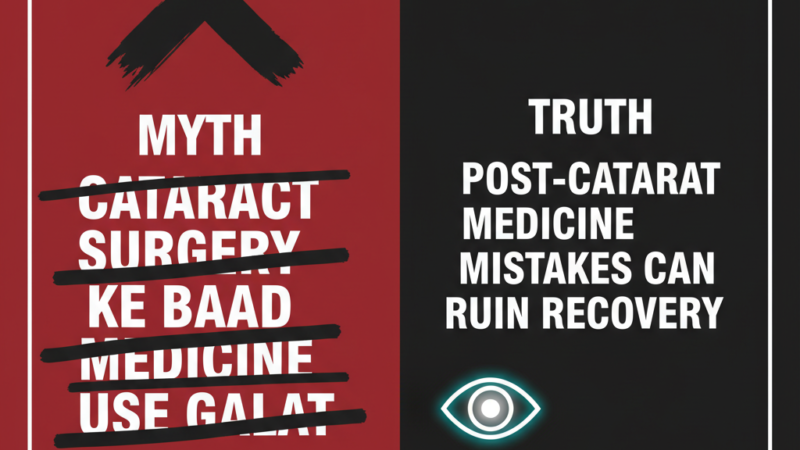
Have you ever stared at a doctor’s prescription and wondered why it looks like a secret code? While it might seem like just hurried handwriting, your prescription is actually a highly specific, legally binding document tailored to your exact health needs. Here’s why you shouldn’t dismiss those scribbles.
The Hidden Details in the Scribbles
Every prescription contains crucial information beyond just the medication name. It specifies the exact dosage, the frequency of administration, and whether it should be taken with or without food. These details are critical for the medication to work effectively and safely. A slight change in dosage can mean the difference between healing and experiencing adverse side effects (WHO, 2024).
Why You Should Never Reuse Old Prescriptions
Using an old prescription for a new problem is a common but dangerous mistake. Your body changes, and so do your medical needs. What worked for an eye infection last year might be ineffective or even harmful for a similar-feeling issue today. Always consult your doctor for a fresh evaluation.
Decoding the Medical Abbreviations
Doctors use specific abbreviations to ensure pharmacists dispense exactly what you need. Terms like ‘OD’ (right eye) or ‘OS’ (left eye) are standard in ophthalmology. Understanding these basics can help you double-check your medication, but always rely on your pharmacist’s guidance.