Almost every patient who walks into our clinic for a cataract consultation asks the same question: “Doctor, is this safe?” That single worry keeps nearly 50% of Indian patients from getting cataract surgery on time (Economic Times, 2022). The irony? Modern cataract surgery is one of the safest and most successful procedures performed anywhere in medicine, with a success rate exceeding 98% (Greenwich Eye, 2025).
What Is the Biggest Fear Before Cataract Surgery?
“Fear of surgery” ranks as the number one reason patients delay cataract treatment, according to a 2025 study published in the journal Neuro-Ophthalmology. When researchers asked patients why they waited, the most common answer wasn’t cost or access — it was pure anxiety about the procedure itself.
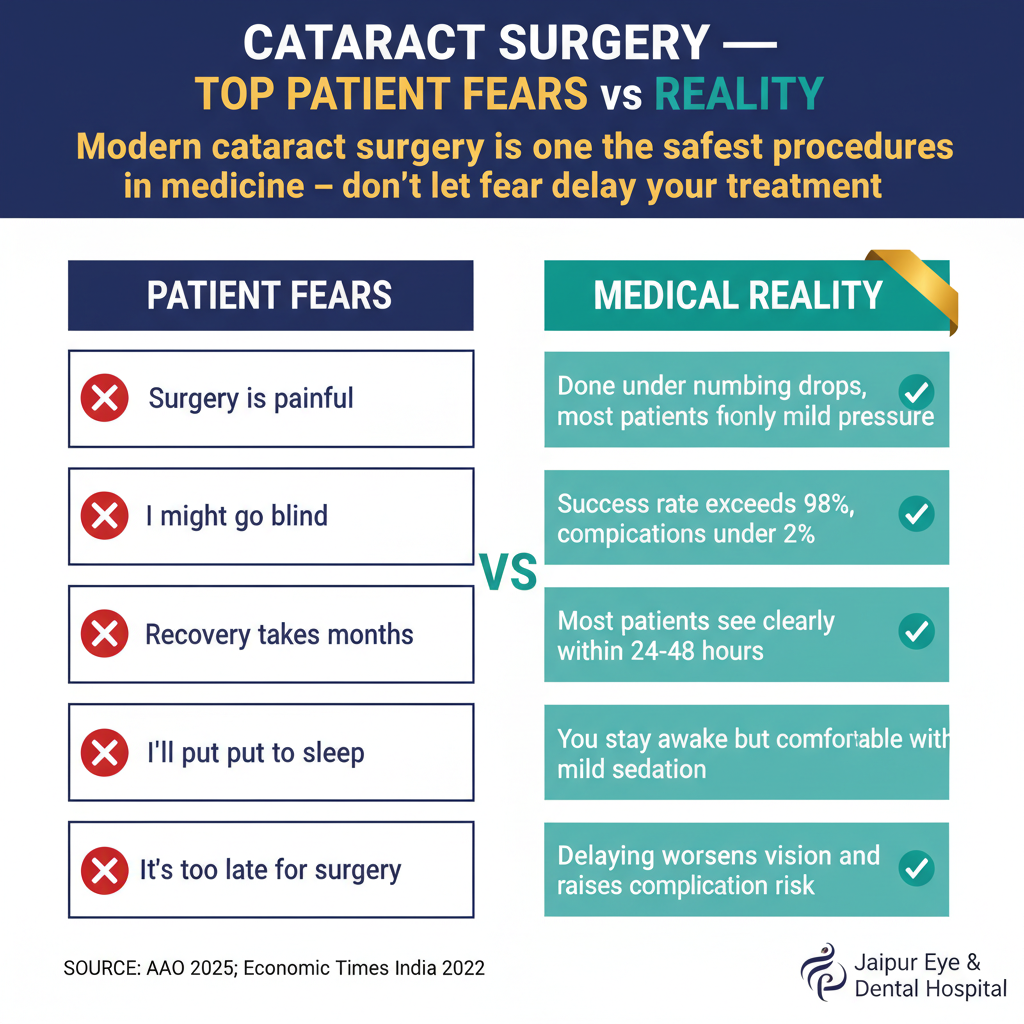
The three fears that come up most often in our consultations at Jaipur Eye & Dental Hospital are: fear of pain, fear of losing vision, and fear of a long, difficult recovery. Let’s address each one with facts, not reassurances.
Does Cataract Surgery Hurt?
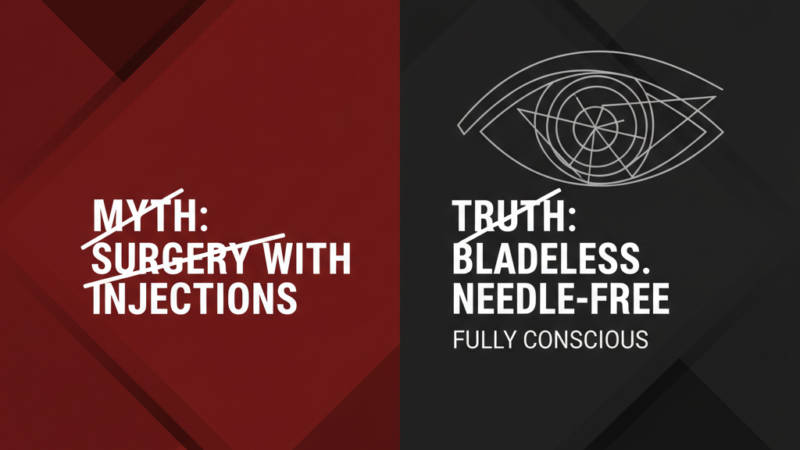
No. Modern cataract surgery uses topical anaesthesia — numbing eye drops, not injections or general anaesthesia. A 2025 study in Scientific Reports found that patients who were less anxious reported significantly lower pain levels during the procedure. In practice, most patients describe feeling only mild pressure or a sensation of “something happening,” but not pain.
The procedure takes roughly 15-20 minutes. You’re awake the entire time, but a mild sedative keeps you relaxed. Many patients are surprised by how quick and comfortable it actually is compared to what they imagined.
Can You Go Blind from Cataract Surgery?
The overall complication rate for phacoemulsification cataract surgery is below 2%, and serious vision-threatening complications like retinal detachment occur in just 0.1 to 1.3% of cases (ScienceDirect, 2025). To put that in perspective, you’re far more likely to have complications from untreated cataracts — including falls, depression, and permanent vision loss — than from the surgery itself.
India performed over 8.3 million cataract surgeries in 2022-2023 alone (Forbes, 2023). The procedure is routine, refined, and performed thousands of times daily across the country.
How Long Does Recovery Actually Take?
Most patients notice a clear improvement in their vision within 24 to 48 hours. Full visual recovery and stability typically take 2-4 weeks, during which you’ll use prescribed eye drops and avoid strenuous activities. You won’t need an overnight hospital stay — the surgery is done as a day-care procedure, and you go home the same day.
At our clinic, we schedule a follow-up the very next day to check your eye pressure and healing progress. Within a week, most patients are back to reading, watching TV, and going about their daily routine.
Is It True That You Stay Awake During the Surgery?
Yes, and that’s actually a good thing. Being awake allows the surgeon to communicate with you during the procedure — asking you to look in a specific direction, for instance, which helps position the lens implant correctly. You won’t see sharp images during surgery; most patients report seeing light, colours, or vague movement, which is completely normal.
A small sedative is given before the procedure so you feel calm and drowsy. Studies show that patients under topical anaesthesia with mild sedation report comfort levels comparable to those who receive general anaesthesia — without the associated risks (PMC, 2021).
What Happens if You Delay Cataract Surgery Too Long?
Waiting doesn’t make the cataract go away. As the lens becomes more opaque, the surgical difficulty increases because the cataract becomes harder and denser. This raises the risk of complications and may require more ultrasound energy during phacoemulsification, which can slow recovery.
Severe, untreated cataracts can also lead to glaucoma or inflammation inside the eye — conditions that are harder to treat and can cause irreversible damage. If you’ve been told you have a cataract, the safest approach is to get it evaluated promptly rather than waiting for it to “ripen” (an old myth that no longer applies with modern surgical techniques).
What Should You Do if You’re Anxious About Cataract Surgery?
Talk to your surgeon. Seriously. At Jaipur Eye & Dental Hospital, we encourage patients to ask every question they have during the consultation. Understanding exactly what happens during each step of the procedure dramatically reduces anxiety. A 2025 Nature study confirmed that preoperative anxiety directly correlates with perceived pain — meaning the calmer you are, the more comfortable the experience feels.
We also recommend bringing a family member to the consultation. Having someone you trust hear the same information can reinforce your confidence and provide emotional support on the day of the procedure.
Frequently Asked Questions
Is cataract surgery safe for elderly patients?
Yes. Age alone is not a contraindication for cataract surgery. Patients in their 80s and 90s routinely undergo the procedure successfully. The surgeon evaluates your overall health and eye condition, not just your age.
Can cataracts come back after surgery?
No. Once a cataract is removed, it doesn’t return. However, some patients develop “posterior capsule opacity” months or years later, which causes similar blurry vision. This is treated with a quick, painless laser procedure in the clinic — not another surgery.
Will I still need glasses after cataract surgery?
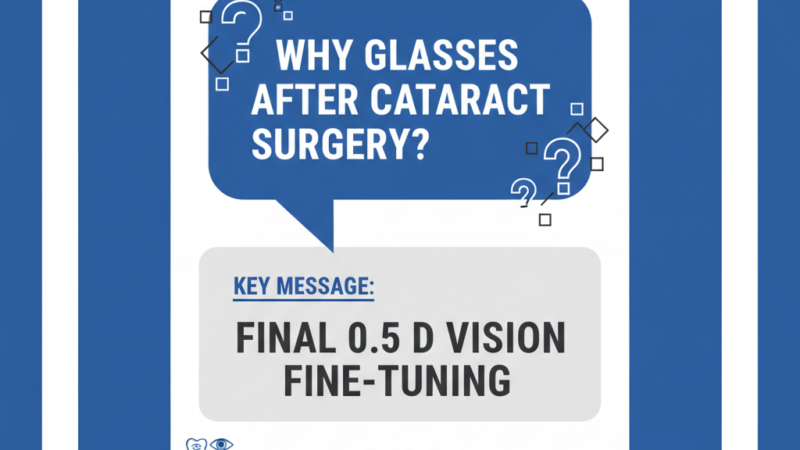
It depends on the type of lens implant you choose. Standard monofocal lenses correct distance vision, so you’ll likely need reading glasses. Premium lenses like trifocal IOLs can reduce or eliminate dependence on glasses for near, intermediate, and distance vision. Read our guide on trifocal lens implants for more details.